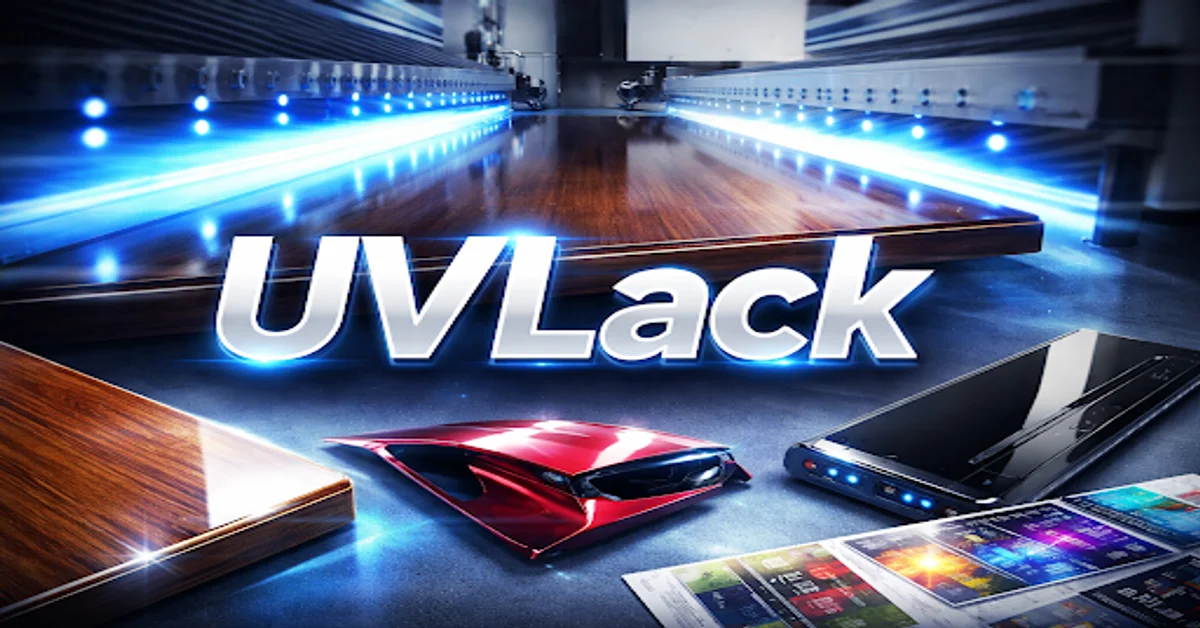
UVLack is shorthand for UV lacquer, a modern class of UV curable lacquer formulated to harden instantly when exposed to ultraviolet (UV) light. Unlike solvent-based lacquers that rely on evaporation or heat to cure, UVLack uses photopolymerization to form a tough, cross-linked surface layer in seconds. This makes UVLack a standout option for manufacturers who want both performance and speed.
Manufacturers are under constant pressure to reduce lead times, lower emissions, and improve product durability. UVLack technology answers all three demands: it dramatically shortens curing cycles, reduces volatile organic compound (VOC) emissions, and produces scratch-resistant, chemically robust finishes. The result is a coating system that increases throughput and reduces waste—powerful benefits for competitive operations.
At the core of UVLack is UV curing, where UV light activates photoinitiators that begin a rapid chemical reaction. This light-driven process, paired with polymer resins and cross-linking chemistry, transforms liquid coatings into hardened films almost instantly. UV curing can be delivered via UV LED curing systems or mercury vapor lamps, each with tradeoffs in power, spectrum, and energy efficiency.
RELATED: Acryldach: Modern Transparent Roofing Explained
What Is UVLack?
Definition of UVLack coating
UVLack is a UV-curable lacquer formulated from polymer resins and reactive monomers that polymerize under UV radiation. The cured film delivers protective properties—such as resistance to abrasion and chemicals—while providing a refined appearance in finishes ranging from high gloss to subtle matte.
Origin of the term UVLack
The term “UVLack” originates from industrial German terminology where “Lack” means lacquer or varnish. Over time, the combined term came to represent the class of UV-curable lacquers used globally in high-speed finishing processes.
How UVLack differs from traditional lacquer systems
Traditional lacquers cure through solvent evaporation, heat, or oxidation—processes that are time-consuming and energy-intensive. UVLack differs by relying on light-initiated chemistry for instant curing, meaning no long bake cycles, minimal solvent emissions, and faster throughput without sacrificing durability.
How UVLack Works
The Science of UV Curing
UV curing is a photochemical process: when UV light (specific wavelengths) strikes the coating, it energizes chemical components to start chain reactions. This immediate activation contrasts with thermal curing, which requires energy input over time. For manufacturers, this means components are ready for handling and packaging in seconds, not hours.
Role of Photoinitiators and Polymer Resins
Photoinitiators are the trigger: they absorb UV photons and generate reactive species (free radicals or cations). These reactive species attack polymer resins, initiating chain reactions that link monomers into long polymer networks. The careful balance of photoinitiator type and resin chemistry determines cure speed, hardness, and final optical clarity.
Cross-Linking Process Explained
The backbone of UVLack performance is cross-linking chemistry: as polymer chains join across many points, a dense three-dimensional network forms. This cross-linked polymer coating is what delivers scratch resistance, chemical stability, and mechanical strength—properties essential for high-use surfaces in furniture, electronics, and automotive trims.
UV LED vs Mercury Lamp Curing Systems
UV LED curing systems provide targeted wavelengths, high energy efficiency, and long lamp life—ideal for energy-conscious facilities and heat-sensitive substrates. Mercury vapor lamps, while older, offer wider spectral output that can cure a broader range of formulations. The choice depends on production speed, formulation compatibility, and energy goals.
Key Advantages of UVLack Coatings
Ultra-Fast Curing Time
One of UVLack’s most compelling benefits is its curing speed. Films cure in seconds, slashing cycle times and enabling immediate handling. This rapid throughput reduces work-in-progress and increases effective production capacity—helpful in high-volume furniture and packaging environments.
High Scratch and Chemical Resistance
Thanks to dense cross-linking, UVLack yields surfaces with exceptional resistance to abrasion, scratching, and many household chemicals. For products that face daily wear—like tabletops or device housings—this durability preserves appearance and extends service life.
Eco-Friendly and Low VOC Emissions
Many UVLack formulations are VOC-free or very low in volatile compounds, which translates to cleaner air and simpler regulatory compliance. Reduced solvent use also decreases hazardous waste and supports greener manufacturing practices.
Multiple Finish Options (Gloss, Matte, Satin)
UVLack is versatile: manufacturers can achieve high-gloss, satin, or matte finishes without compromising protection. This flexibility lets designers choose a visual style that complements product aesthetics while maintaining functional performance.
Heat-Free Curing for Sensitive Materials
Because UVLack cures via light, not heat, it is well-suited for heat-sensitive materials such as thin plastics or electronic components. This protects substrates from thermal stress while delivering robust surface protection.
UVLack vs Traditional Coatings
Differences in Application Process
Traditional coatings typically need long drying times, ovens, or solvent evaporation—each demanding space and energy. UVLack application involves applying the coating (spray, roll, or brush) followed by immediate UV exposure. The simplified line layout and reduced curing footprint can save floor space and energy costs.
Durability and Performance Comparison
A properly cured UVLack film often outperforms many solvent-based lacquers in hardness, scratch resistance, and chemical stability. Its cross-linked polymer structure tends to be denser and more abrasion-resistant than many conventionally cured systems, extending product longevity.
Environmental Impact Comparison
UVLack’s low VOC profile and reduced energy consumption (especially when paired with UV LED curing systems) lower environmental impact compared with solvent-heavy, heat-baked systems. For companies targeting sustainability goals, adopting UVLack supports emissions reduction and regulatory compliance.
Cost Efficiency in Industrial Production
While installing UV curing lines requires upfront investment (lamps, conveyors, safety systems), long-term savings are realized through faster throughput, fewer recoats, lower energy costs, and reduced waste. Over time, the total cost of ownership can favor UVLack for high-volume operations.
UVLack Applications Across Industries
Furniture and Woodworking Industry
In furniture manufacturing, UVLack is prized for fast cycle times and superior finishes on wood panels and MDF boards. It enables manufacturers to deliver glossy tabletops or mattified cabinetry that resist daily wear—perfect for kitchens and retail furniture.
Automotive Manufacturing
The automotive industry uses UVLack for interior trims, decorative panels, and certain exterior components where adhesion, chemical resistance, and low-temperature handling matter. Its quick curing allows efficient assembly without long bake times.
Electronics and Consumer Devices
For electronics manufacturing, UVLack protects plastic polymers and displays from scratches and fingerprints while maintaining clarity. Heat-free curing preserves delicate components, making UVLack ideal for device housings and decorative parts.
Printing and Packaging Industry
In printing and packaging, UVLack increases shelf-appeal with vibrant, high-gloss finishes or elegant matte looks while guarding against moisture and abrasion. It’s widely used on product boxes, labels, and high-end marketing collateral.
Other Industrial Uses
Beyond these sectors, UVLack finds roles in aerospace engineering for decorative interiors, on aluminum fixtures, and across composite panels where durable, lightweight finishes are required. Its adaptability makes it useful wherever high performance and appearance matter.
Types of UVLack Coatings
Glossy UVLack
Glossy UVLack delivers brilliant clarity and color depth, ideal for premium products. It highlights wood grain on panels and elevates printed artwork, creating a visually striking finish that also resists scuffs.
Matte and Satin UVLack
Matte and satin finishes offer a refined, contemporary look while maintaining UVLack’s protective strengths. These finishes reduce glare and fingerprints, popular in modern furniture and consumer electronics.
Industrial-Grade UVLack
Industrial-grade formulations prioritize mechanical toughness and chemical resistance for heavy-use environments. They are tailored for machinery housings, metal parts, and functional surfaces that demand extended durability.
Custom UVLack Formulations
Formulators can tweak UVLack chemistry to suit composite materials, flexible plastics, or specialized substrates. Custom blends balance adhesion, flexibility, gloss level, and cure speed to match application requirements.
The UVLack Application Process
Surface Preparation
Successful UVLack adhesion begins with clean, dry, contaminant-free surfaces. For wood and composites, sanding and dust removal improve mechanical keying; some plastics may need primers or corona treatment for reliable bonding.
Application Methods (Spray, Roll, Brush)
UVLack is compatible with spray systems for precision and automated lines, roll coating for flat panels, and brush or touch-up techniques for edges and small parts. Choosing the right method affects uniformity and final visual quality.
UV Curing Methods
After coating application, parts pass under UV LED curing systems or mercury vapor lamps. Parameters—wavelength, intensity, and exposure time—must be calibrated to the formulation and part geometry to ensure full cure and consistent properties across the surface.
Quality Control and Inspection
Quality checks include visual uniformity, adhesion testing, hardness and abrasion resistance, and chemical exposure tests. Monitoring cure indicators and measuring film thickness helps avoid defects like orange peel, bubbles, or incomplete cure.
Environmental and Safety Considerations
Low VOC emissions
Because many UVLack formulations are VOC-free, they significantly reduce harmful air emissions and workplace exposure to solvents. This supports safer factory environments and easier compliance with environmental regulations.
Worker safety when using UV curing systems
Operators must use appropriate PPE and shielding to avoid UV exposure to skin and eyes. Safety measures include interlocked guards, UV-blocking windows, and worker training on handling liquid coatings and UV equipment.
Waste reduction and recycling
UVLack systems generate less solvent waste and lower hazardous disposal demands compared to solvent-based coatings. Remaining materials and waste should follow local environmental guidelines; some leftovers can be managed through recycling or specialized treatment.
Common Challenges When Using UVLack
Adhesion issues on certain surfaces
Certain plastics and low-energy substrates may resist bonding. Solutions include surface primers, plasma or corona treatment, or formulation adjustments to improve wetting and adhesion.
Uneven curing problems
Uneven lamp intensity, inconsistent coating thickness, or shadowed areas can cause patchy cures. Proper lamp calibration, process control, and masking strategies help ensure uniform exposure and consistent results.
Surface defects and how to fix them
Defects like bubbles, orange peel, or poor gloss can be mitigated by adjusting application speed, viscosity, and curing intensity. Testing and iterative tweaks between formulation and processing deliver repeatable, defect-free finishes.
Innovations and Future Trends in UVLack
Advances in UV LED Technology
Modern UV LED curing systems are more energy efficient, generate less heat, and provide narrow wavelength control—benefits that improve process stability and reduce thermal stress on parts. LEDs also lower maintenance and lamp change costs.
Smart Functional Coatings
The next wave of UVLack innovations includes smart coatings with antimicrobial, anti-static, or self-cleaning properties. Integrating such functions into UV-curable formulations expands utility in medical devices and high-touch public surfaces.
Sustainable Coating Technologies
Formulators are developing bio-based monomers and lower-energy cure chemistries to drive sustainability further. Combined with LED curing, these advances reduce life-cycle environmental footprints for finished goods.
Future Applications of UVLack
As the technology matures, expect UVLack to penetrate new verticals—medical device housings, advanced aerospace interiors, and high-performance consumer electronics—where rapid curing and strict performance synergy are essential.
RELATED: Stormuring: Smart Waterproofing for Strong Buildings
Frequently Asked Questions
How long does UVLack take to cure?
Most UVLack systems cure in seconds to minutes when exposed to the correct UV wavelength and energy level. Exact times depend on coating thickness, lamp intensity, and formulation.
Can UVLack be used on all materials?
Yes, in principle, wood panels, MDF boards, aluminum, plastic polymers, and composite materials can all be coated with UVLack. Some substrates may need primers or surface treatment for optimal adhesion.
Is UVLack better than epoxy or polyurethane coatings?
UVLack often cures faster and emits fewer VOCs compared to epoxy or polyurethane systems, and it commonly provides superior surface hardness and scratch resistance. However, each system has tradeoffs; the choice depends on application needs, flexibility requirements, and process constraints.
Is UVLack safe for home or workshop use?
UVLack is best handled in controlled environments with proper ventilation, PPE, and safety training—especially because of UV exposure risks and reactive chemicals. Small-scale hobbyists should follow manufacturer safety guidance and consider low-VOC, consumer-grade products where available.
Summary
UVLack brings powerful advantages to modern manufacturing: instant curing, durable cross-linked finishes, low VOC emissions, and versatile aesthetics from glossy to matte. These strengths translate to faster production, lower emissions, and products that look and perform better for longer.
As industries demand speed, sustainability, and premium finishes, UVLack sits at the intersection of all three. From furniture manufacturing to electronics and aerospace engineering, UVLack is not just an incremental improvement—it’s a transformative finishing system that helps manufacturers deliver exceptional products faster and greener.